

Use Cases of Decentralized Sports Credentials
We have started activities to define use cases and usual scenarios of decentralized credentials, focused on athletics, but with potential application to other regulated sports. The early draft of Sports Competition Digital Credentials Use Cases is available for review and to motivate other use cases, including other disciplines and sports. This document includes real challenges and opportunities for the natural application of the decentralized digital credentials paradigm.
This document aims to collect the main challenges for sports federations, athletes, and service providers in the process of issuance and verification of credentials for the management of the competitions and the sport in general. We start from the authority of organizations like federations or competition integrity units that usually have independence to manage their stakeholders’ identities and credentials, registering them and issuing licenses and permits to participate in regulated competitions and events.
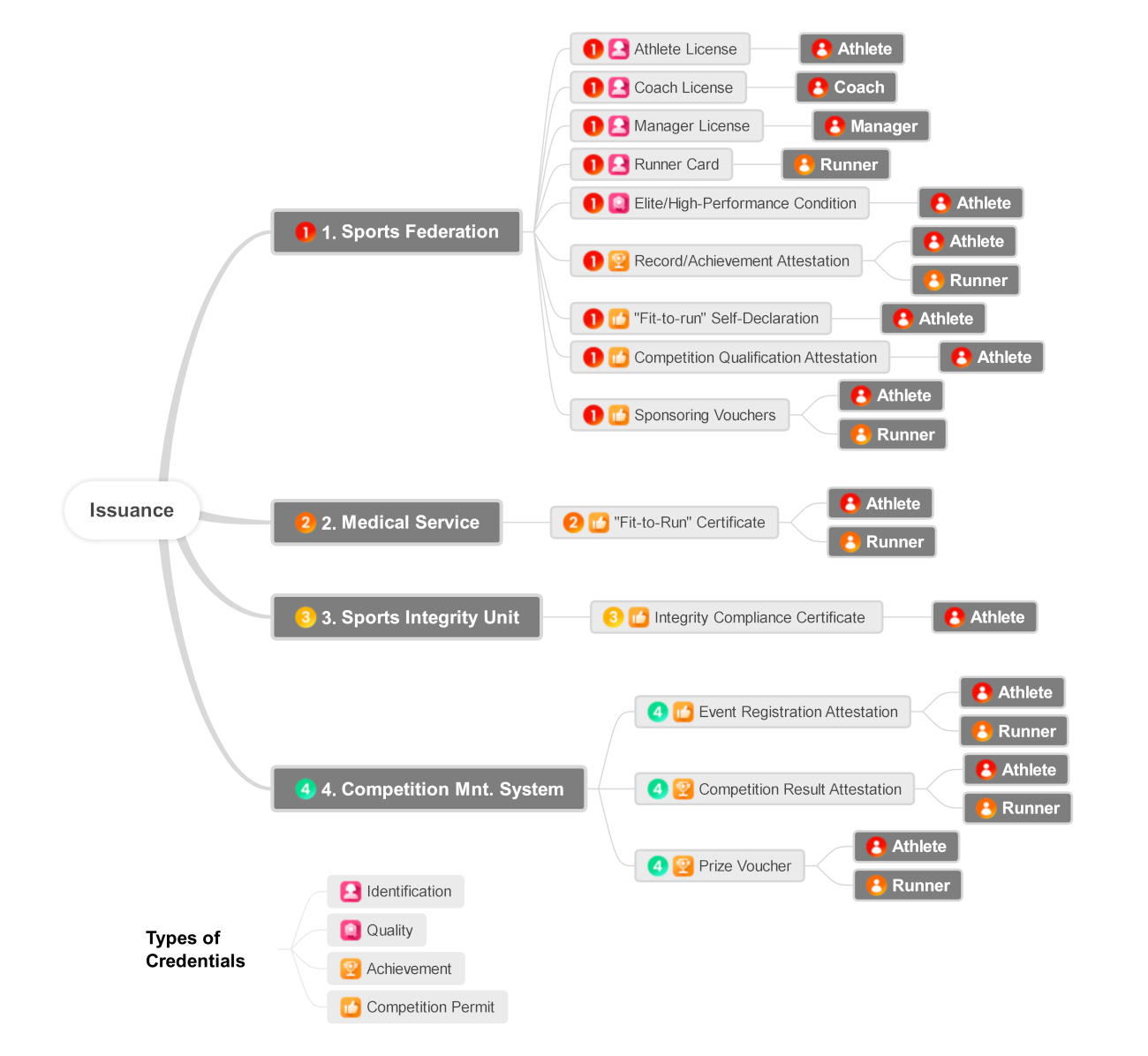
Besides the use cases, we are also collecting the requirements in terms of the type of credentials and documents involved, with the objective of defining common data models for a homogeneous future implementation. Some use cases have already been implemented as examples using the standards and reference implementations compatible with the European Digital Identity (EUDI) ecosystem, with the idea of expanding the usage in real pilots.
Take a look at the document and send your feedback. Other use cases are welcome. Just raise a new issue on our repository with your idea.
What I find most compelling about this draft is the shift toward giving athletes more control over their own professional identities. In a traditional centralized system, an athlete’s data is scattered across various federation databases. With decentralized credentials, the athlete becomes the primary holder of their licenses, medical clearances, and performance records. This not only enhances data privacy but also simplifies the registration process for various competitions. It’s a ‘user-first’ approach that addresses the real-world challenges of managing stakeholder identities in a highly regulated environment.