
01
Visualize standards data
Turn standards data into a useful visualization, dashboard, or report.
Any web technology 90 minutes
Dublin, Ireland · TPAC 2026
Two challenges, 90 minutes to build, and an evening of demos. Bring your laptop and try an idea.
Free for TPAC attendees
Solo or in pairs
All experience levels
Light dinner provided
From the evening
Built in 90 minutes on the night. Thank you to everyone who hacked, demoed, and voted.

A live dashboard over w3c/browser-specs: 800+ specs, who owns them, and how mature they are. Clickable charts filter a searchable, deep-linkable spec explorer.
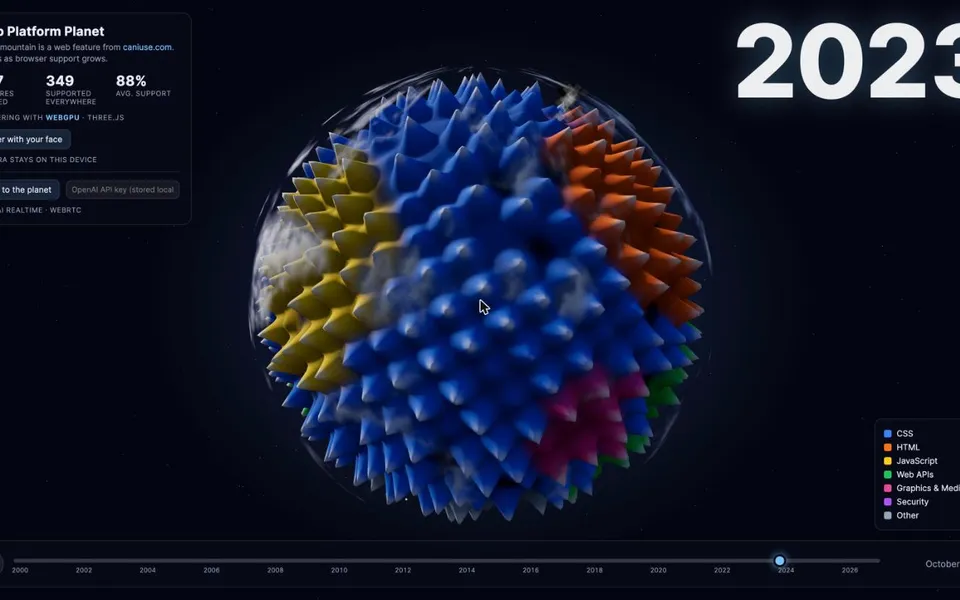
26 years of caniuse.com data as a living planet: every feature is a mountain that grows as browser support spreads. Rendered with WebGPU, steered by head pose through WebNN, and driven by voice.
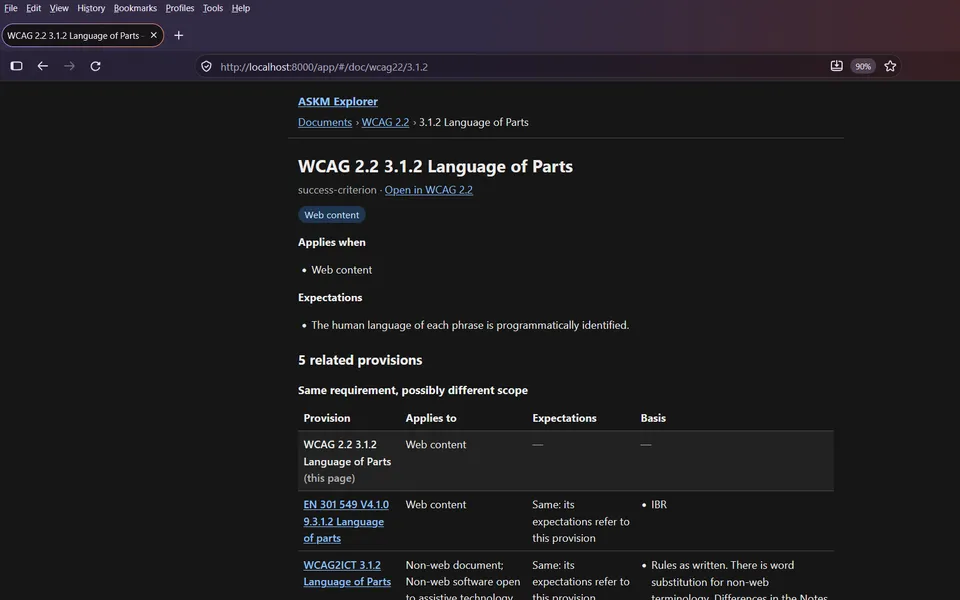
Pivot between WCAG and other accessibility standards to see how they overlap and differ, built on the Accessibility Standards Knowledge Model.

Winner
Shows horizontal review progress for a given spec, without scanning through countless labels and issues.
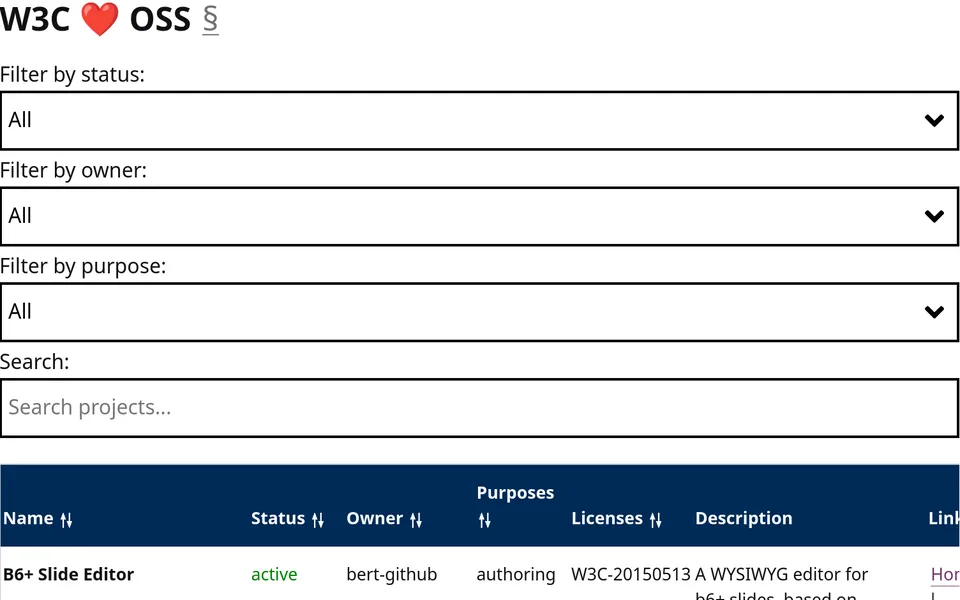
A first visualization of the open-source projects W3C develops or relies on, maintained in w3c/ossref, to replace the outdated Open Source Software page.

A demoscene production about every spec the web runs on, in eight parts, with a soundtrack and robot voices synthesized live in the browser.

Enter a spec shortname for live facts on its time in process, editors, horizontal review, and repository activity, framed to help public-interest funders see where investment could help.

Winner
How long do W3C specs take? Thirty years of /TR history as time to Recommendation by Working Group, a publication heatmap, and the specs still waiting.
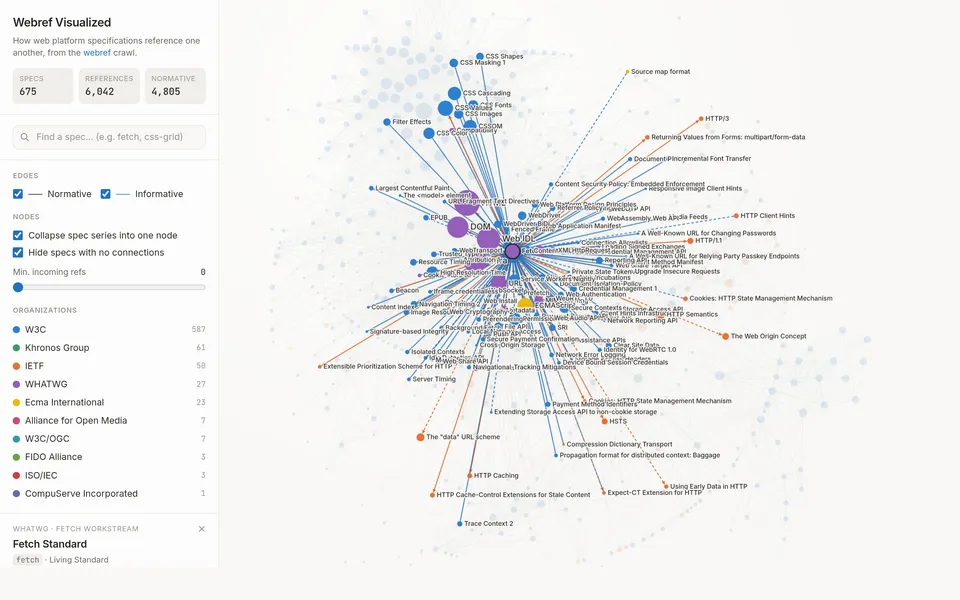
Winner
Visualizes the references between specifications.

A browser extension that shows content marked up with the Adapt TF's proposed AAC Symbols markup in a choice of two symbol sets.

Gives an AI agent a Data Rights Credential (VC 2.0, iSHARE profile) that data custodians verify against a trusted list before releasing data, sending signed receipts back to the owner.
Winner
A Chrome extension that keeps you logged in to W3C and, after logging in, takes you back to the page you were heading to.
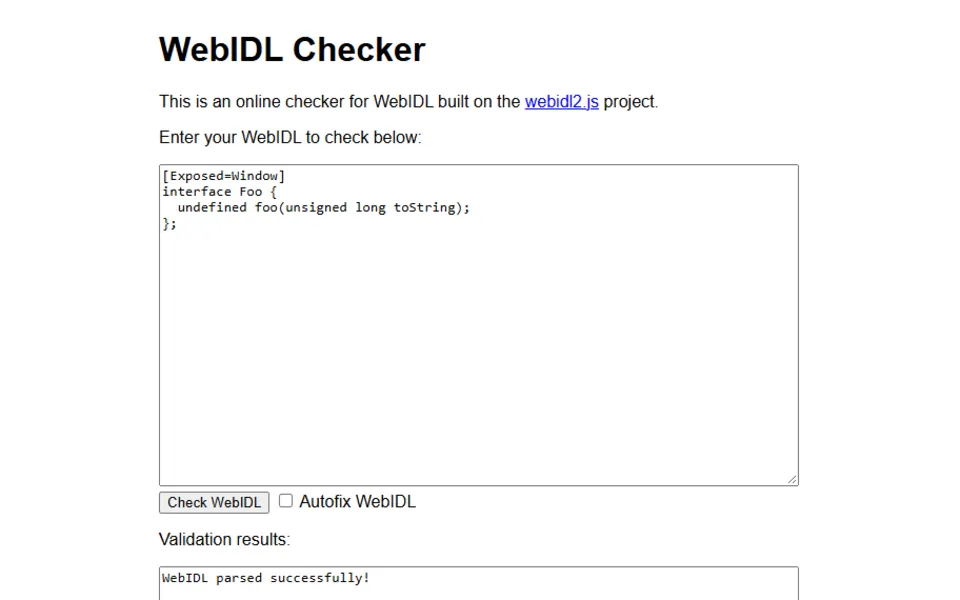
The parser behind W3C's WebIDL checker rejected reserved identifiers like toString as argument names, which the spec allows. Fixed with tests and sent upstream.
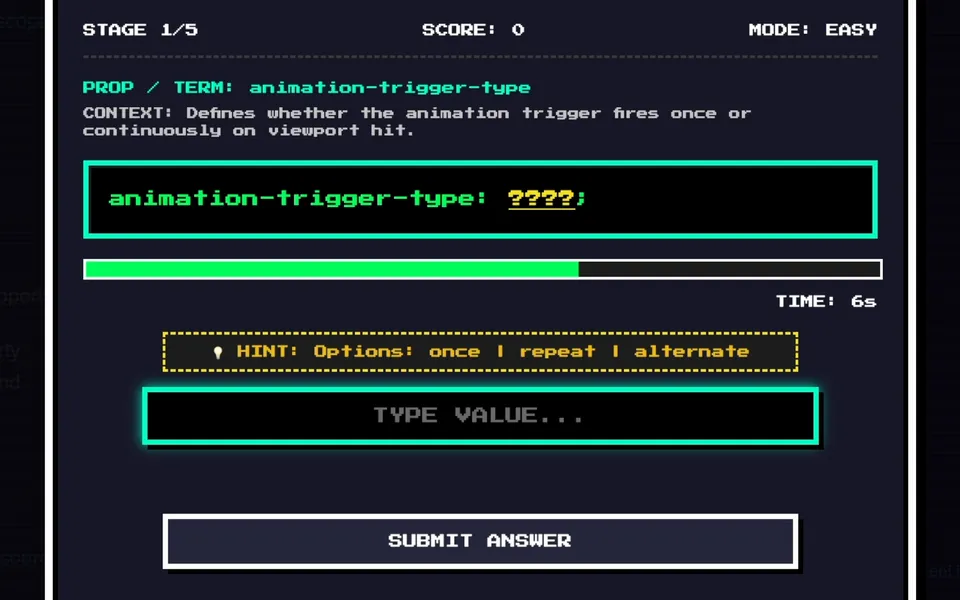
Turns W3C specs into an 8-bit, NES-style quiz game right on the page, with pixel visuals and chiptune sound effects. Sound on!

Download a long W3C document as an EPUB to read on an e-book reader, reviving an idea from ReSpec's earlier EPUB export.
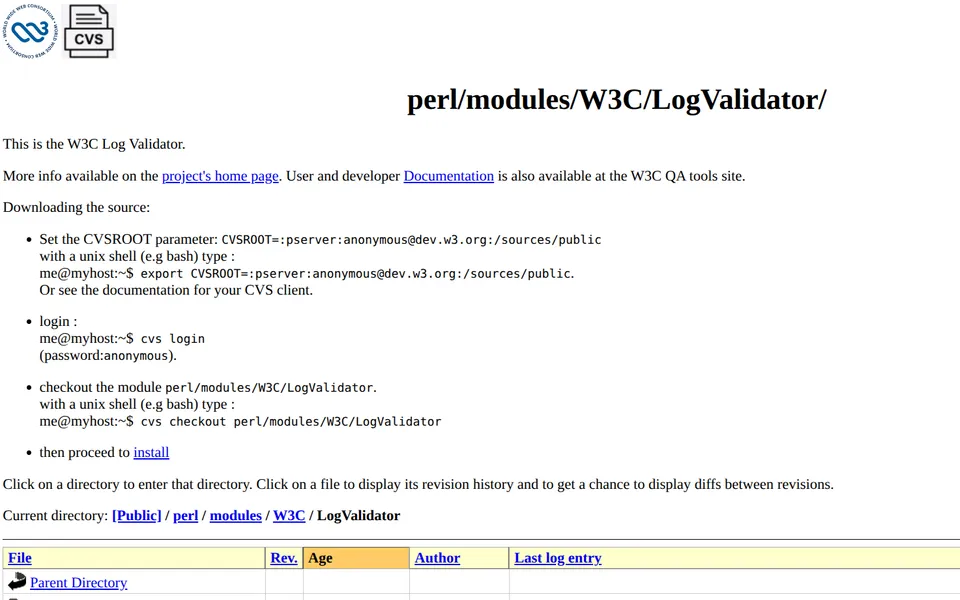
What it takes to run W3C's Perl LogValidator in 2026, from an unreachable CVS server to long-deprecated syntax, and a case for moving it to GitHub.
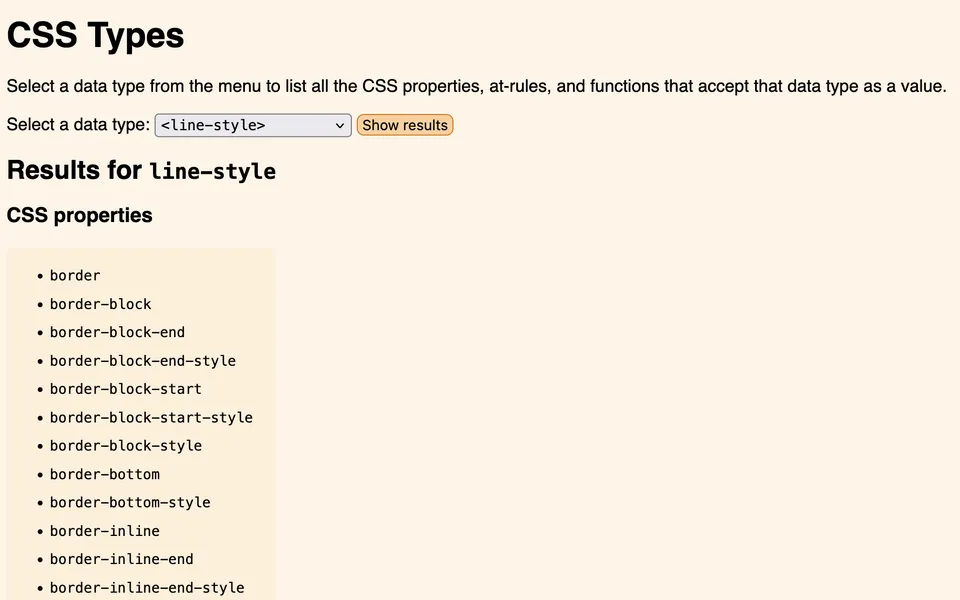
A proposed WebRef feature: pick a CSS data type to list every property, at-rule, and function that accepts it.
Turn standards data into a useful visualization, dashboard, or report.
Any web technology 90 minutes
Contribute to your favorite W3C tool: fix a bug, improve documentation, or add a useful feature.
Any web technology 90 minutes
26 October 2026
All times GMT · Dublin
Light dinner, introductions, and an overview of the challenges.
90 minutes. Build an individual project.
No preparation is required. Bring your laptop and a browser. If you plan to contribute to a W3C tool, you can check its contribution guidelines and set up your development environment beforehand.
The hackathon is open to everyone attending TPAC 2026. If you are in Dublin that week and not registered for TPAC, get in touch.
Submit what you have. Sketches and unfinished prototypes are welcome.
Yes. Any framework or AI tool is welcome. Be ready to explain your approach.
Everyone gets three votes. After the lightning demos, vote for your three favourite individual submissions by reacting with 👍 in the GitHub voting issue. The most-voted eligible submission wins the main prize, with the other prizes awarded to different participants.
With support from


